
For pawnbrokers, dealers & the trade counter
We didn't build a replacement for your expertise.We built a filter for it.
Loupe screens a watch from eight angles and clears the fakes it can catch from photographs — so your bench, your loupe and your gut go to the ones that actually earn the time.
Three free screenings, a card on file and nothing charged. Run it on watches you've already had verified — including the fakes you caught.
The cost of the counter
$600 to make. $9,000 to believe.
One superfake gets past you and it erases the margin on your next twenty good buys. You already know this — it's why every serious watch goes to your bench. That process works. It's also your bottleneck: it's slow, it depends on who's working that day, and it gives the customer nothing to look at while they wait.
- What a superfake costs to build
- ~$600
- What it costs you to believe it
- $9,000
- Good buys whose margin that erases
- your next 20
- Watches you'd screen in a year at 30 a month
- 360
Put your own numbers in. The arithmetic doesn't get closer — it gets further apart. And the bench time you stop spending on obvious fakes is the part that doesn't show up in either column.
How it works at the counter
Eight angles. Analyzed in about a minute.
Your counter staff photographs the watch through a guided flow — dial macro, caseback, engravings, date window, clasp. Each view is examined on its own, verified against that exact reference and cross-referenced with the replica specimens documented for it and the tells that view can actually settle. Nothing is judged in the round.
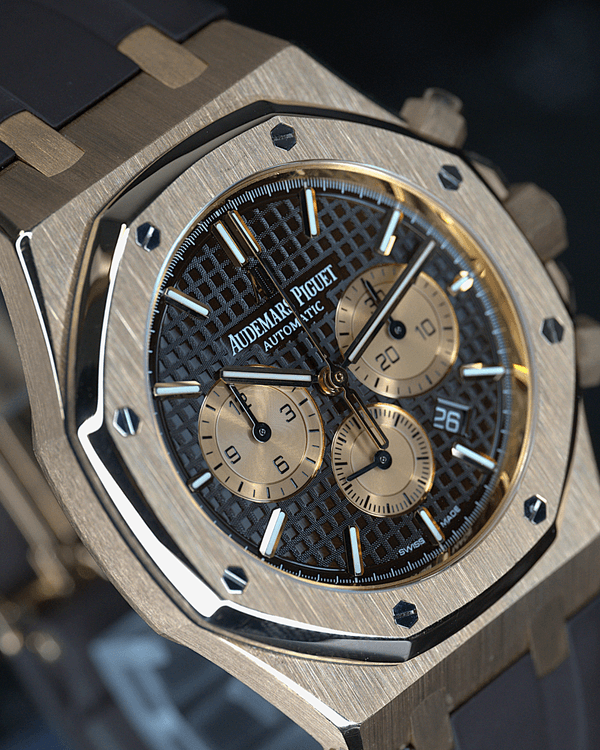
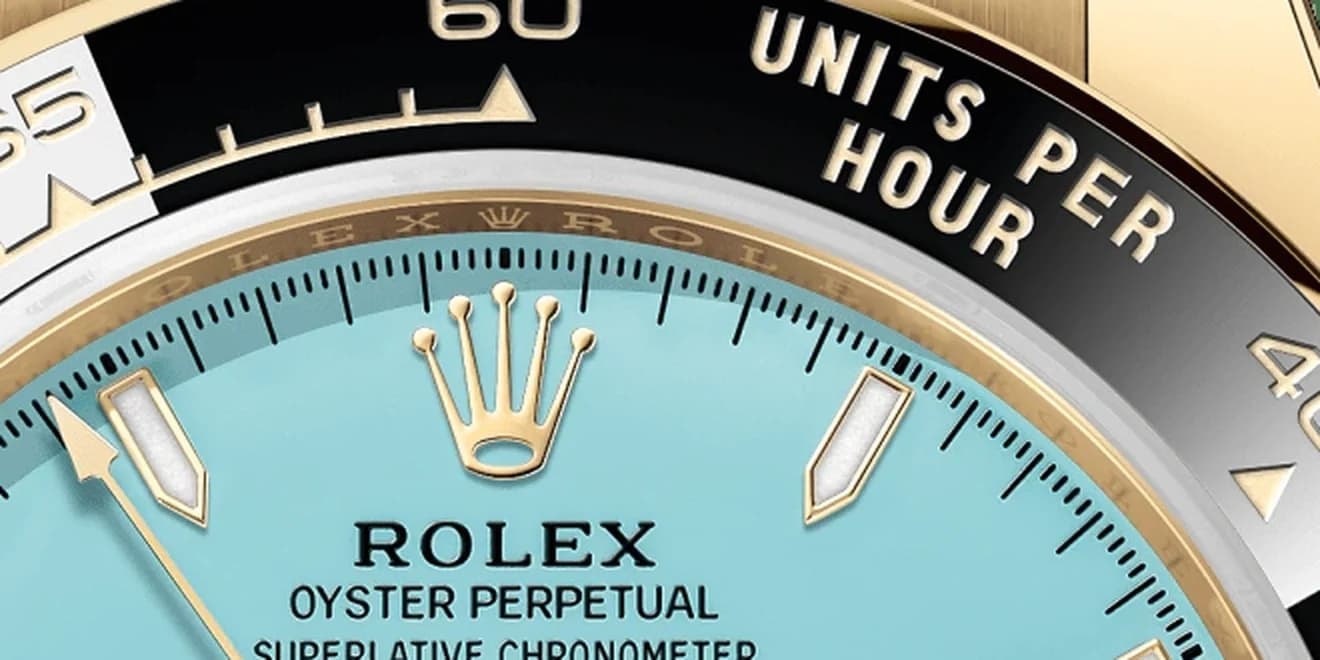


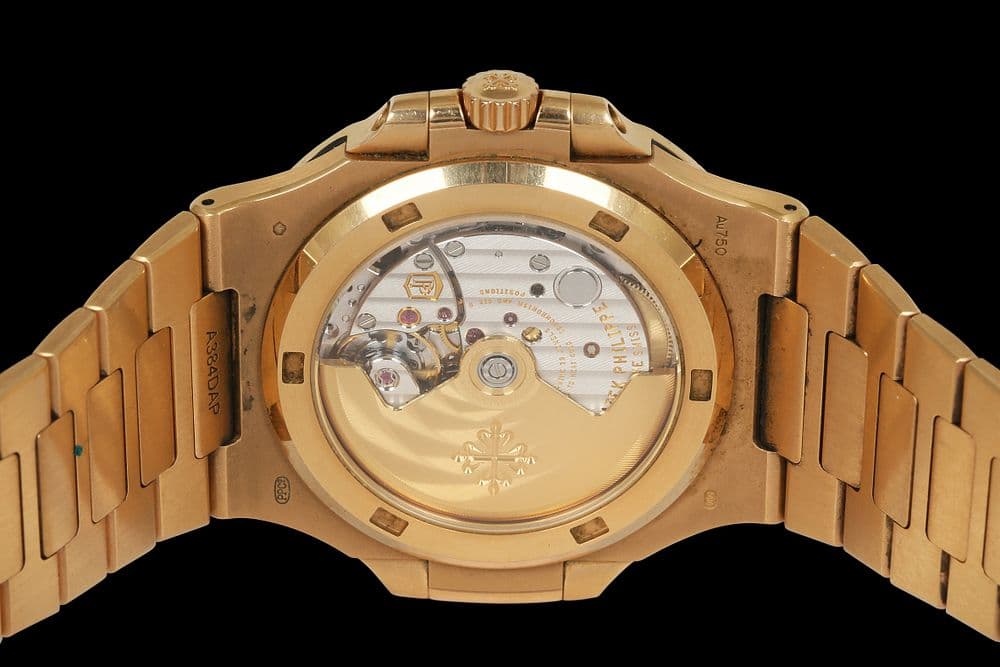
Built on documented tells across 34 brands — Rolex, Patek Philippe, AP, Richard Mille, and the watches that actually walk through your door.
The moment that pays for it
One report does three jobs.
When something is wrong you see exactly what: rehaut engraving depth off, date font wrong for that reference year, clasp code inconsistent. Per-component findings you can read — and, the part your customers care about, show.
- 01
Stops the bad buy
Before cash leaves the drawer. The whole subscription is covered by catching one.
- 02
Ends the argument
“Here’s what the system flagged” closes a conversation that used to take twenty minutes and a bruised customer relationship.
- 03
Papers your file
A documented screening trail attached to every intake, for the buys you do make.
What happens when we're wrong
Ask every vendor this. Here's ours.
No photo tool can see inside a case. A superfake with a cloned movement still dies on your watchmaker's bench — our job is making sure only real candidates ever reach it. So the engine is built to abstain rather than guess, and it returns three outcomes, not one.
Indicators of a replica
Caught, with the evidence
Only when the finding traces to evidence documented for that exact reference. The engine is blocked in code from accusing on a hunch — no evidence, no accusation.
Unresolved
Photographs can't settle it
Naming exactly which shot would. On a reference with documented photo-grade fakes, an all-clean scorecard is what a top fake looks like — so we hand it back to your bench instead of clearing it.
Consistent with genuine
The rarest answer we give
It requires named details that fakes get wrong to be positively verified. We would rather return nothing than a clearance you can't lean on.
A tool that always answers is a tool that is confidently wrong some of the time, and you won't know which time. This costs us conversions and we build it anyway.
What a catch looks like
Some fakes aren't worth your morning.
A replica Submariner run through the screening on 10 August. The engine reached the dial macro and stopped there — no bench time, no debate.
That watch never needed your bench. The ones the engine can't settle still do — which is the whole arrangement.
Pricing
Costs less than being wrong once.
Every account starts with three screenings, with a card on file and nothing charged. No call, no trial clock.
Built: a dealer account per location with its plan, its usage and every screening's report saved. Not yet built, so not promised: shared team dashboards and access codes for staff who do not sign in.
Don't take the pitch
Take the test.
Run it on watches you've already had verified — including the fakes you caught. Grade us against your own bench before a dollar changes hands. If we don't earn a place at your counter, we don't deserve one.